


Some places in Mexico are beautiful.
And some places feel ancient.
Cenote Chichikan is one of those places.
Located just outside the colonial town of Valladolid, this cenote offers an experience completely different from the beaches of Playa del Carmen. It is quieter, cooler, and feels deeply connected to the natural and cultural history of the Yucatán Peninsula.
If you are staying in Playa del Carmen and considering a day trip inland, Cenote Chichikan is absolutely worth adding to your list.
This guide covers everything you need to know, including how to get there, toll costs, the time zone difference, what to expect upon arrival, and why Valladolid deserves your time as well.
Where is Cenote Chichikan located?
Cenote Chichikan is located near Valladolid, in the state of Yucatán, Mexico.
It sits approximately:
1.5 hours from Playa del Carmen
2 hours from Cancun
40 minutes from Chichén Itzá
Its inland location makes it feel more authentic and less crowded than many cenotes closer to Tulum or Playa del Carmen.
The setting is surrounded by jungle, creating a peaceful and immersive atmosphere.
Driving from Playa del Carmen.
Toll road cost and what to expect
We rented a car in Playa del Carmen and drove using the toll highway, Carretera 180D.
This is the fastest and easiest route, but it comes at a price.
The toll cost was 340 pesos one way, which surprises many travelers. Mexico is generally affordable, but toll roads are one of the exceptions.
That said, the road quality is excellent, the drive feels safe, and it saves significant time compared to the free highway.
Having your own car also allows you to explore Valladolid, which is something I highly recommend.
Important detail most travelers don’t realize – there is a time difference.
Playa del Carmen is located in the state of Quintana Roo, which follows Eastern Time.
Valladolid is located in the state of Yucatán, which follows Central Time.
This means Valladolid is one hour behind Playa del Carmen.
If you leave Playa del Carmen at 9:00 AM, you will arrive around 9:30 AM local Valladolid time, not 10:30.
This is important when planning reservations or your return drive.
What is a cenote and why they are special.
Cenotes are more than geological formations – they are part of the identity of the Yucatán Peninsula.
There are over 6,000 cenotes officially recorded, but scientists believe the real number may exceed 10,000, with many still hidden beneath dense jungle. The reason they exist here in such extraordinary concentration is because the entire peninsula sits on a massive platform of porous limestone. Over thousands and even millions of years, slightly acidic rainwater slowly dissolved the rock, creating underground rivers and vast hidden caverns. Eventually, the ceilings of some of these caverns collapsed, revealing the freshwater below and forming the cenotes we see today.
But geology is only part of the story.
One of the most fascinating scientific theories connects cenotes to the asteroid impact that wiped out the dinosaurs 66 million years ago. The Chicxulub crater, located just north of this region, created a ring of structural weaknesses in the limestone. Many cenotes formed along this circular fracture zone, which is why they often appear in a distinct belt across the peninsula.
For the ancient Maya, cenotes were not just water sources – they were sacred portals. They believed these deep, silent pools connected the human world to Xibalba, the underworld. Archaeologists have discovered ceremonial objects, pottery, and even human remains in some cenotes, suggesting they were used for rituals and offerings.
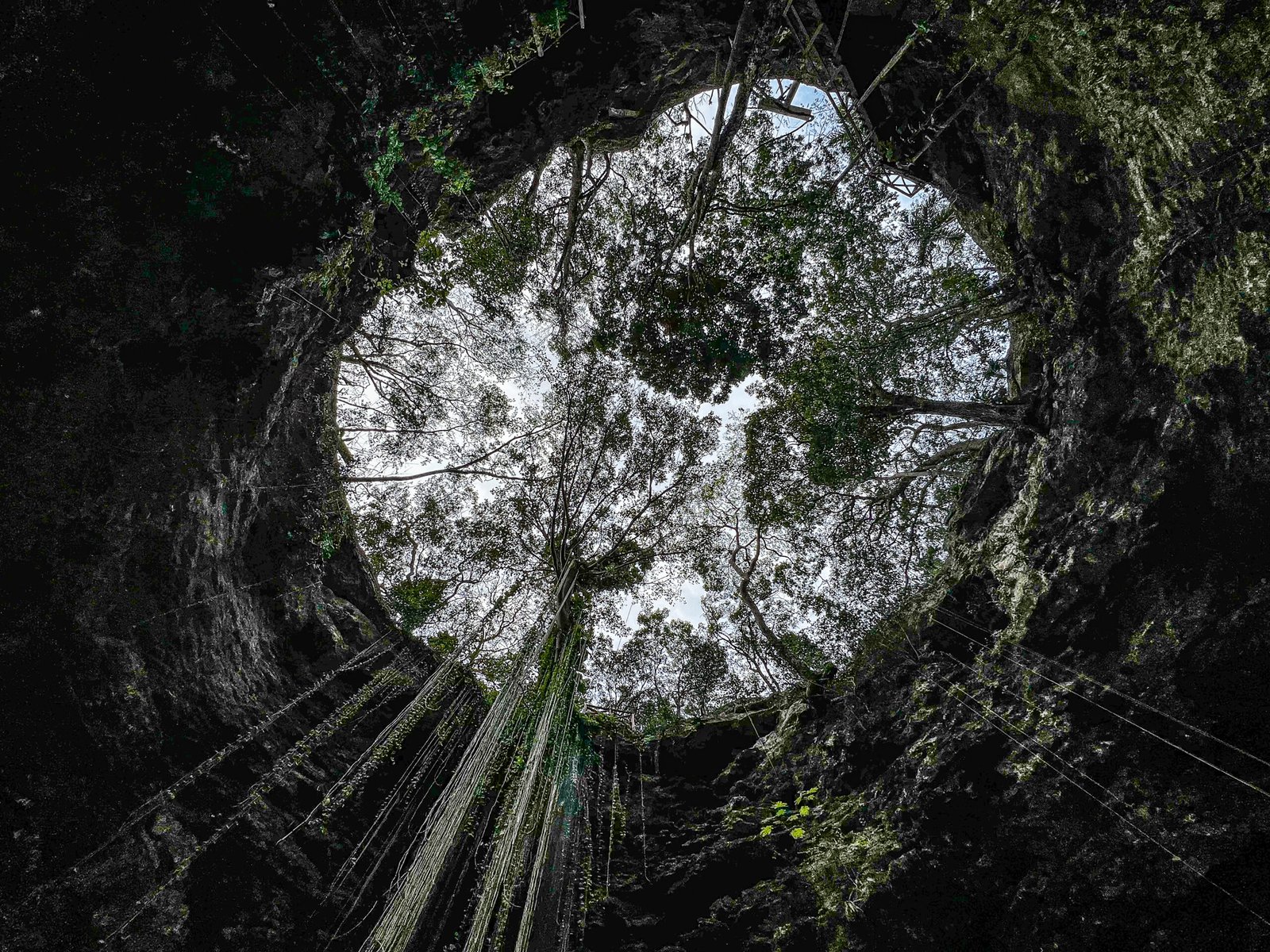
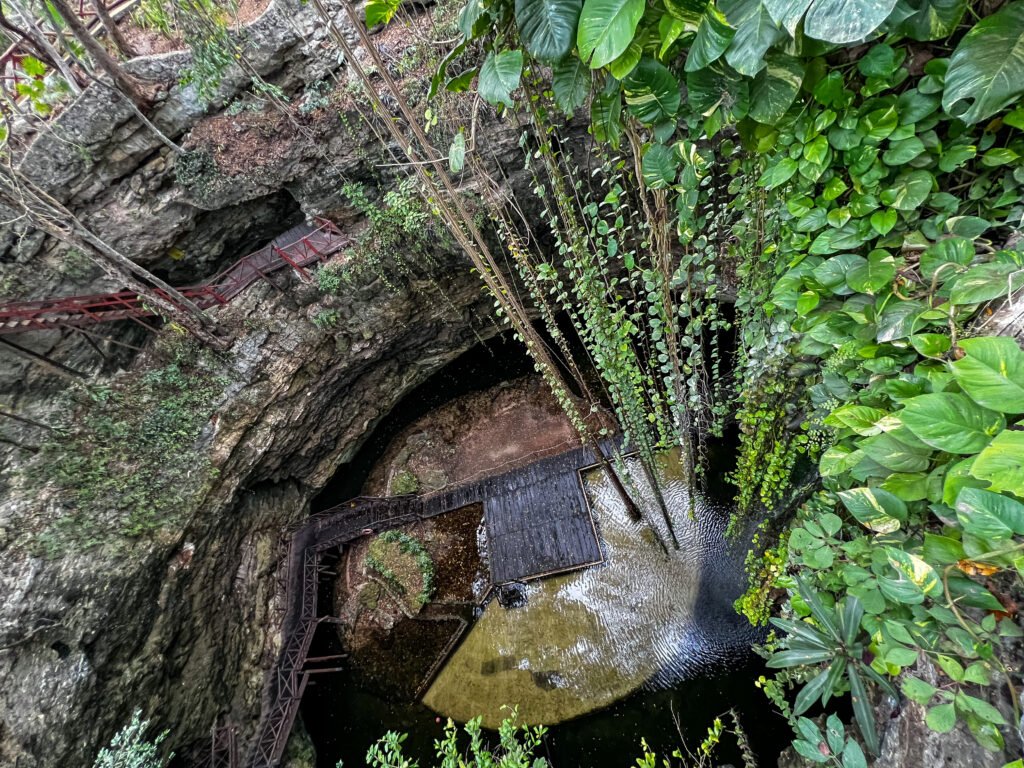
Cenote Chichikan is a semi-open cenote, where part of the cavern remains enclosed while an opening above allows sunlight to pour through. Long jungle vines reach down toward the water, and the air inside feels cooler, heavier, and still. The light shifts constantly, creating reflections along the rock walls and surface of the water.
It is not just a place shaped by erosion.
It is a place shaped by time, mythology, and one of the most dramatic natural events in Earth’s history.
And when you stand inside, you feel it.
The beaches of Mexico show you its beauty. Cenotes show you its secrets.
Entering Cenote Chichikan, what the process is really like
After arriving at the Cenote Chichikan property, you’ll enter a well-maintained complex with restrooms, changing areas, lockers, and a restaurant space.
Lockers are available next to the restaurant, and this is where most visitors leave their bags, clothes, and valuables. You can leave your shoes here, or keep them with you if you feel more comfortable walking in them. Towels and shoes must be left at the final access point before descending into the cenote.
Before receiving your life vest, visitors are required to take a shower.
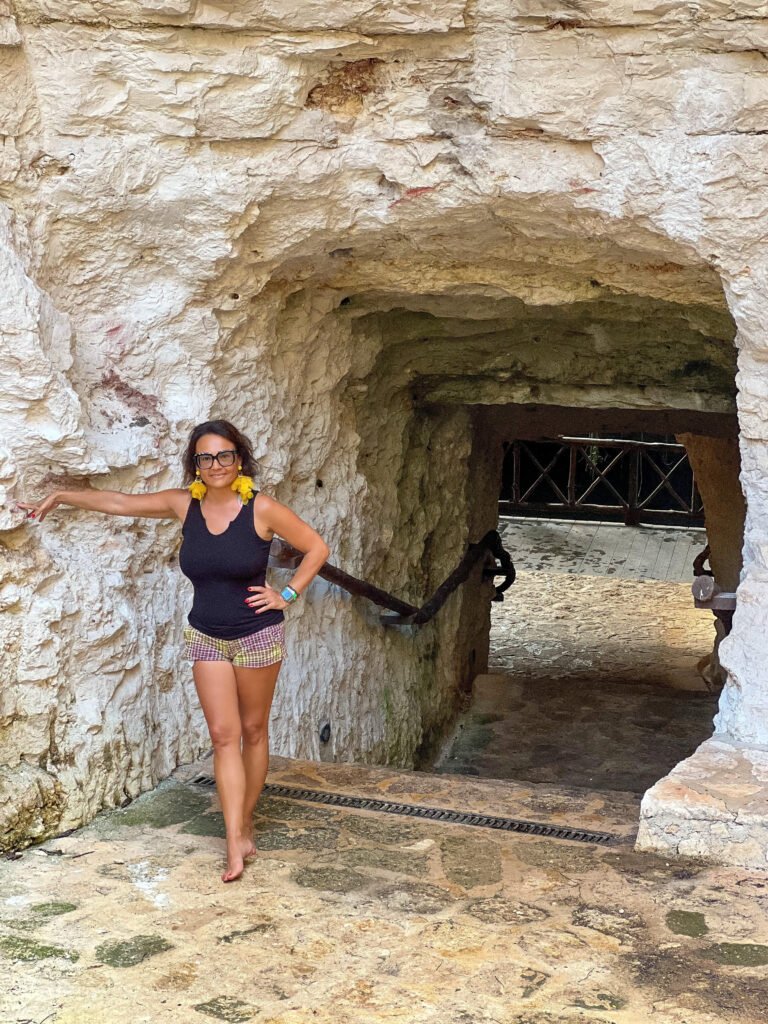
Taking (let’s face it) the cold shower is mandatory for everyone. The purpose is to protect the fragile underground ecosystem by removing sunscreen, lotions, and any other contaminants that could affect the water.
Only after showering are you given a life vest, which is required regardless of swimming ability.
Once prepared, you walk toward the cenote entrance and begin descending down a series of stone stairs carved into the rock.
With each step, the temperature drops slightly.
The air becomes cooler.
Quieter.
More magical.
And then the cenote appears below.
Crystal clear water surrounded by ancient stone walls.
Long jungle vines reaching down from the opening above.
Sunlight filtering into the cavern.
It feels calm, powerful, and completely removed from the world above.
Swimming experience inside Cenote Chichikan
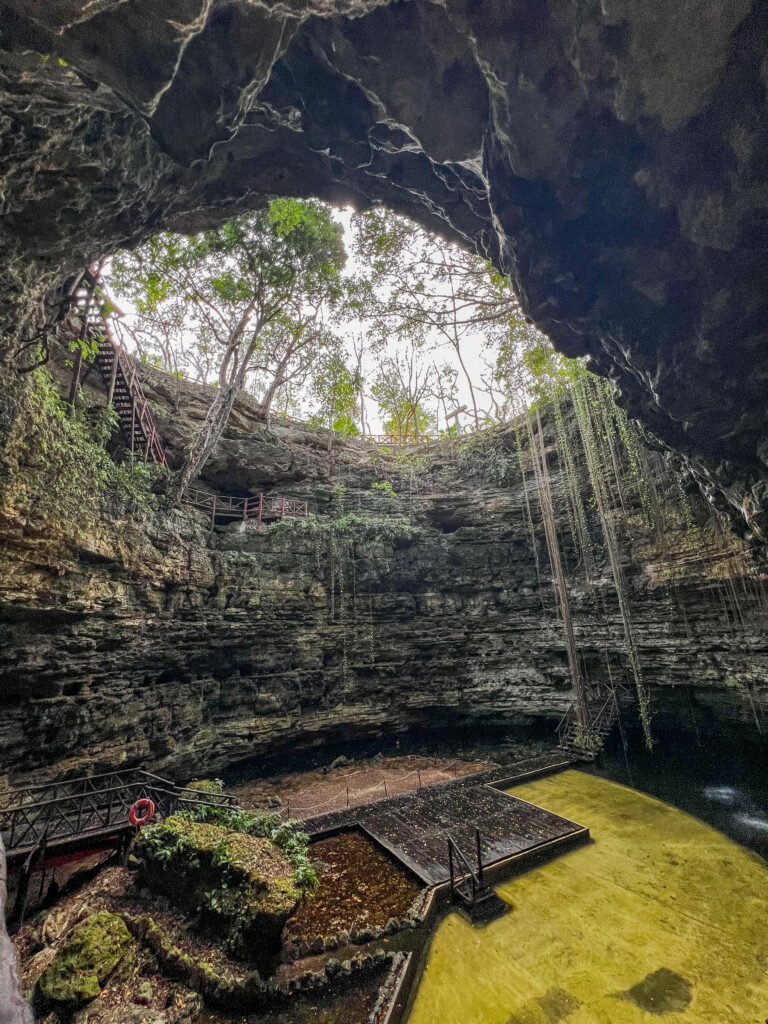
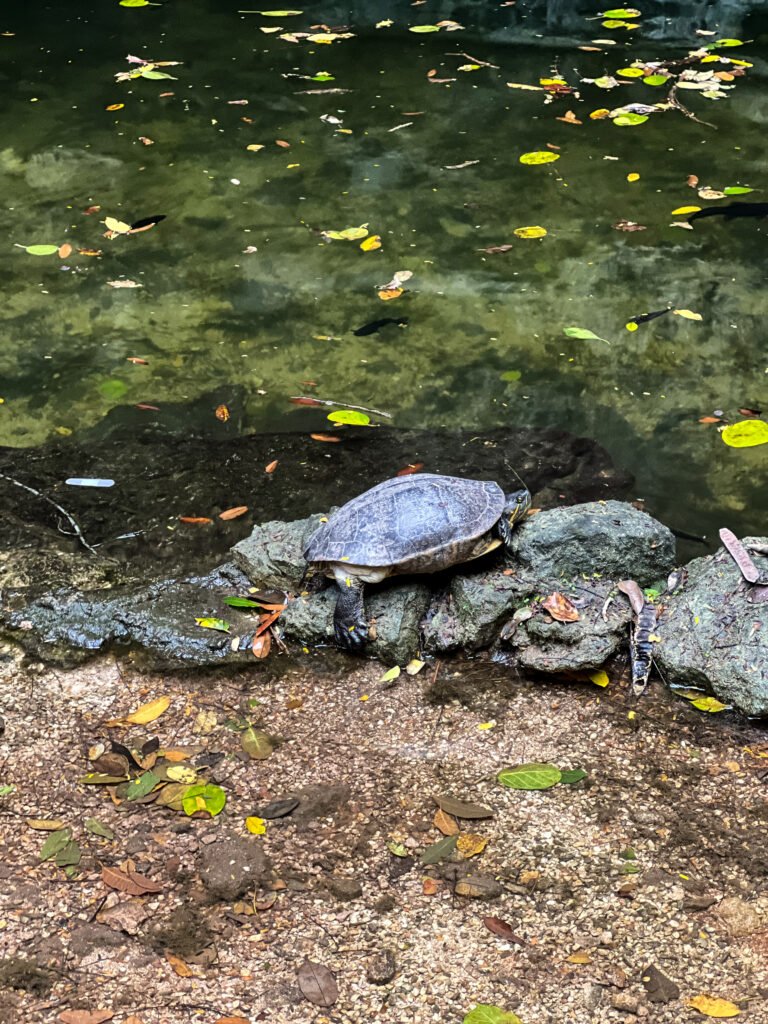
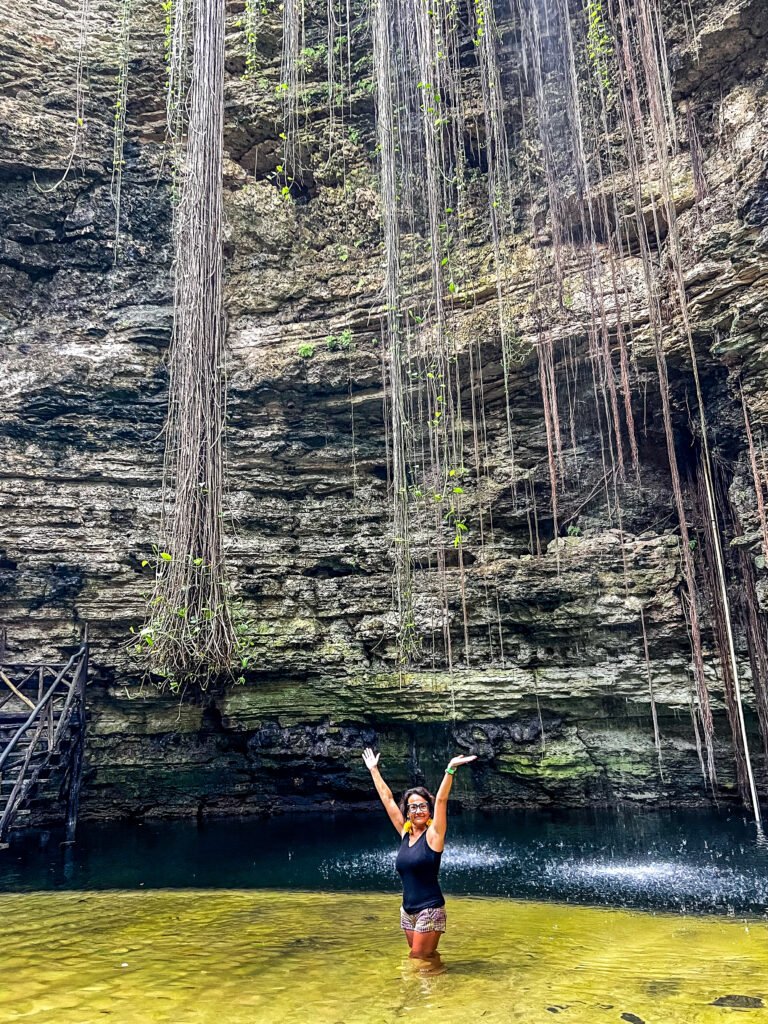
The water is cool, fresh, and incredibly clear.
Because life vests are required, you can float effortlessly and simply enjoy the surroundings without needing to constantly swim.
One thing to know – the cenote itself is not very large.
This is not a massive open cenote where dozens of people can spread out without noticing each other. The experience here feels more intimate, which can be either magical or crowded depending on timing.
We were lucky enough to have the cenote completely to ourselves, but that was only because we arrived relatively late in the afternoon. Most of the organized tour groups had already left for the day.
Earlier in the day, especially between late morning and early afternoon, it is common for tour buses to arrive, and the space can feel much busier.
If you want a quieter, more peaceful experience, visiting later in the day makes a significant difference.
There are platforms that allow for easy and safe entry into the water, and the cenote is suitable for all swimming levels, including beginners.
What makes Cenote Chichikan special is not its size, but its atmosphere.
The hanging vines, filtered light, and stillness create a calm environment that encourages you to slow down, float, and take it all in.
It’s the kind of place where you naturally lose track of time.
What it costs and which experience is worth it
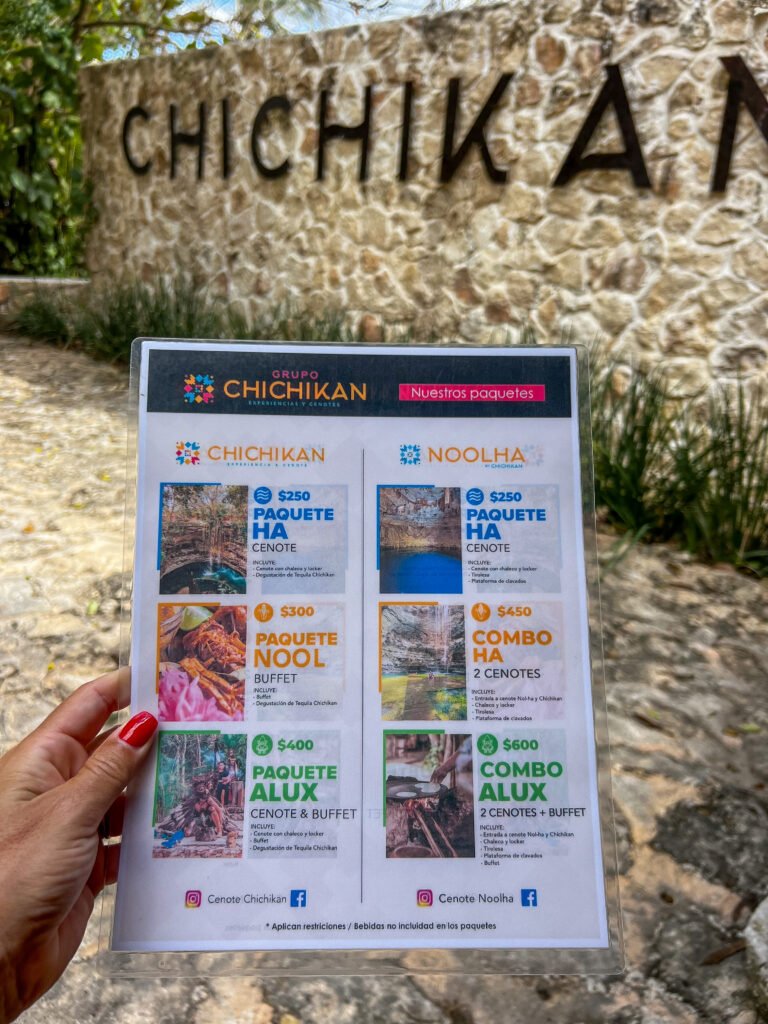
Cenote Chichikan offers several entrance options depending on how much time you want to spend and whether you’d like to include the cultural and dining experience.
The basic entrance starts at 250 pesos per person, which includes access to the cenote, life vest, and locker use. This option is perfect if your main goal is to swim and experience the cenote itself.
There are also upgraded packages, typically priced between 300 and 400 pesos per person, which include a traditional Yucatecan buffet. Meals are served in a shaded, open-air palapa and feature regional dishes, allowing you to turn your visit into a more complete experience rather than just a short stop.
Some packages also include access to a second cenote on the property, along with additional activities, making it easy to spend several hours here.
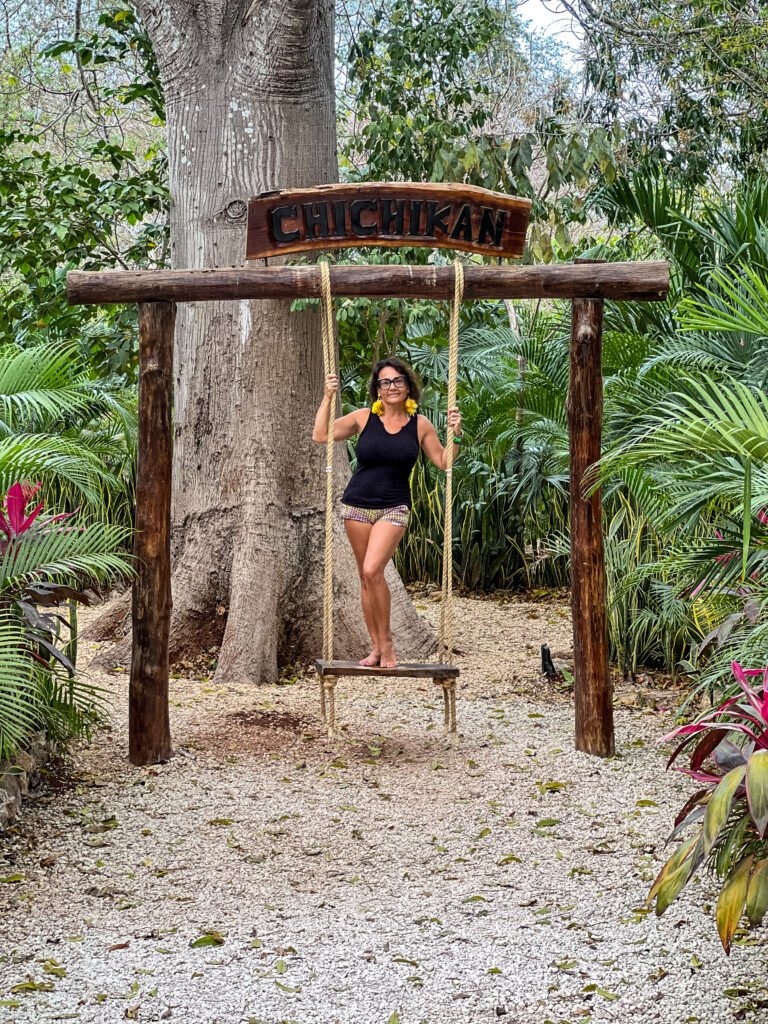
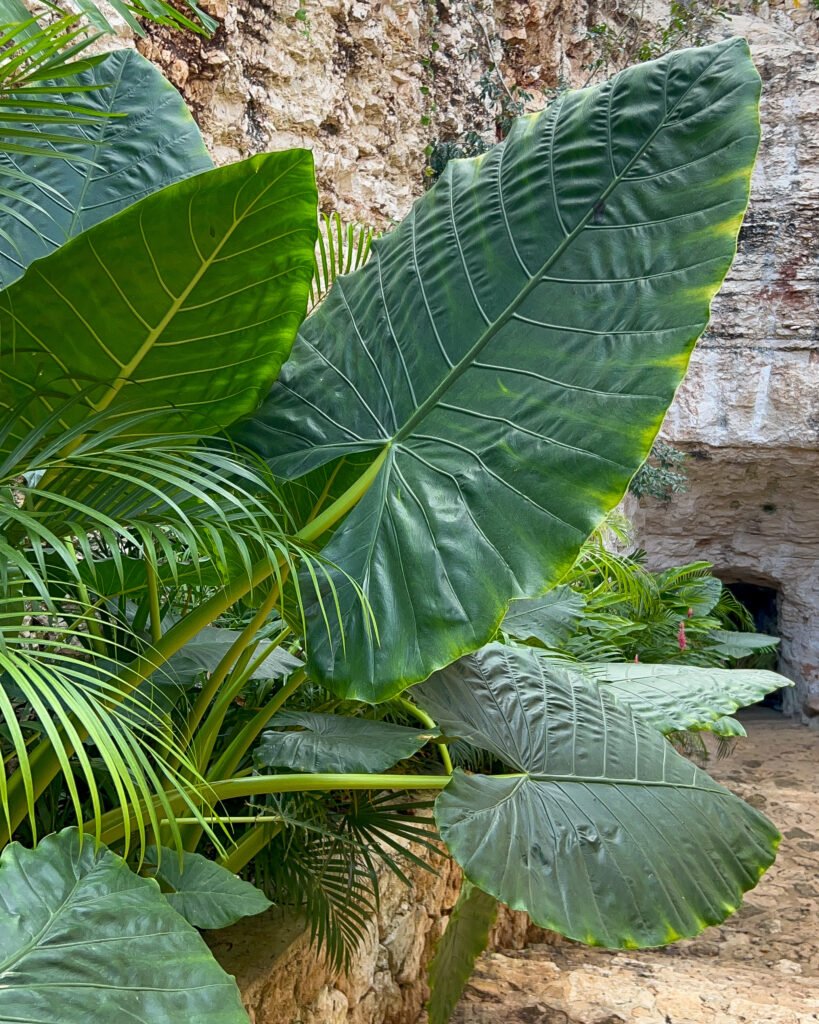
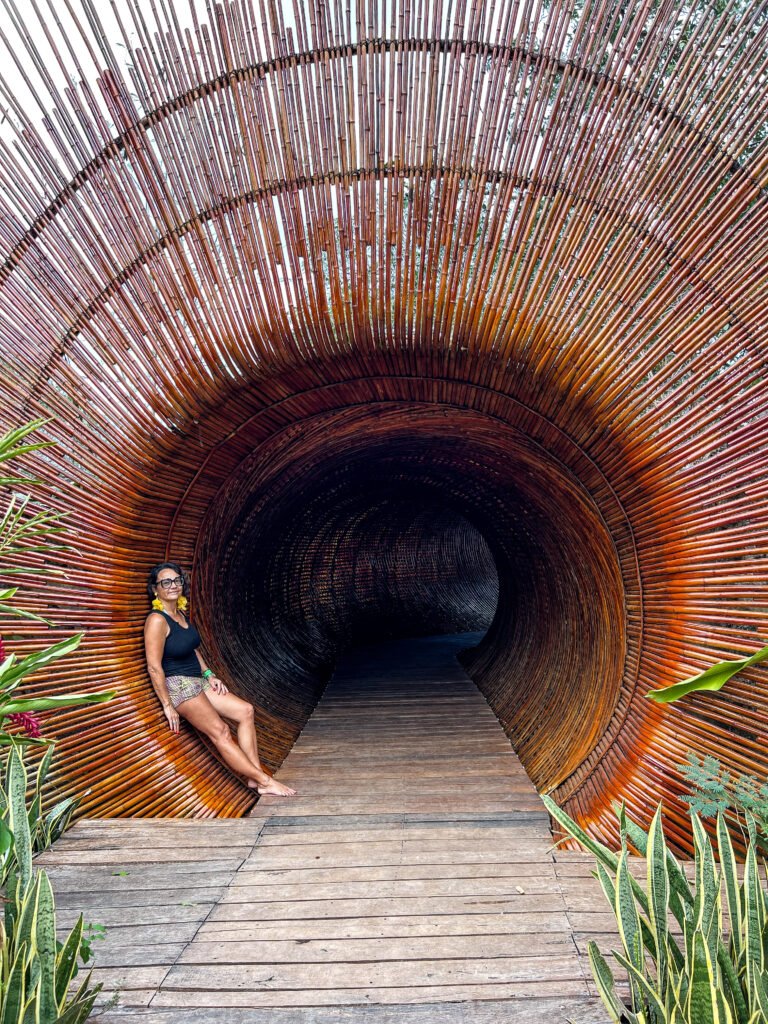
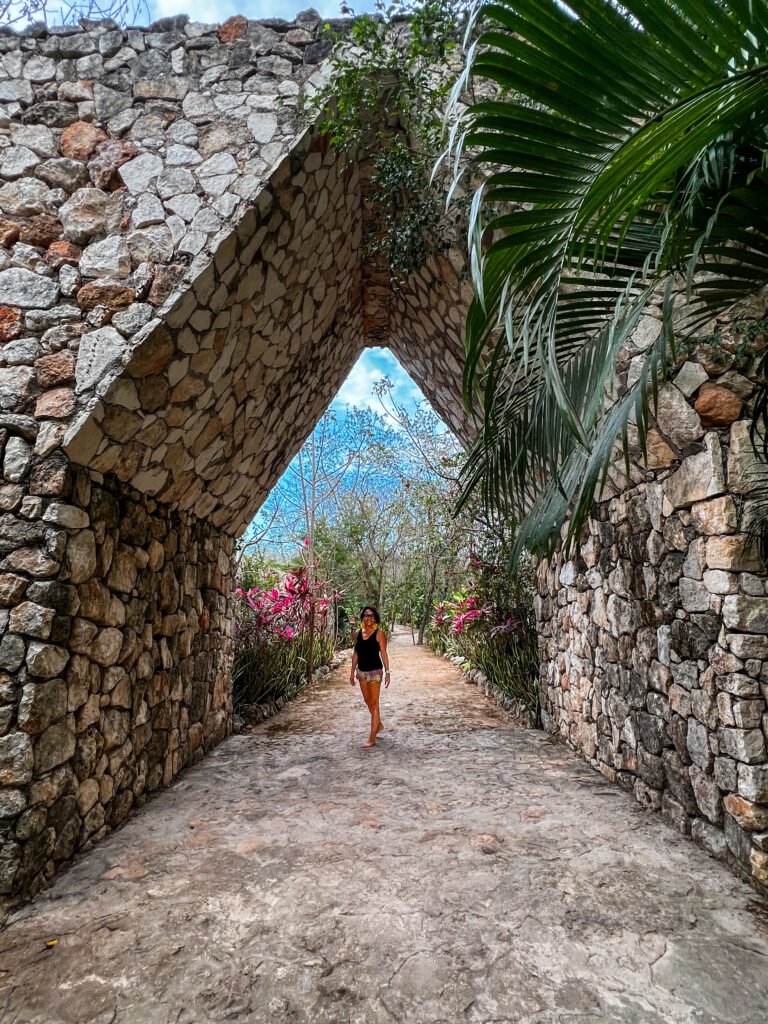
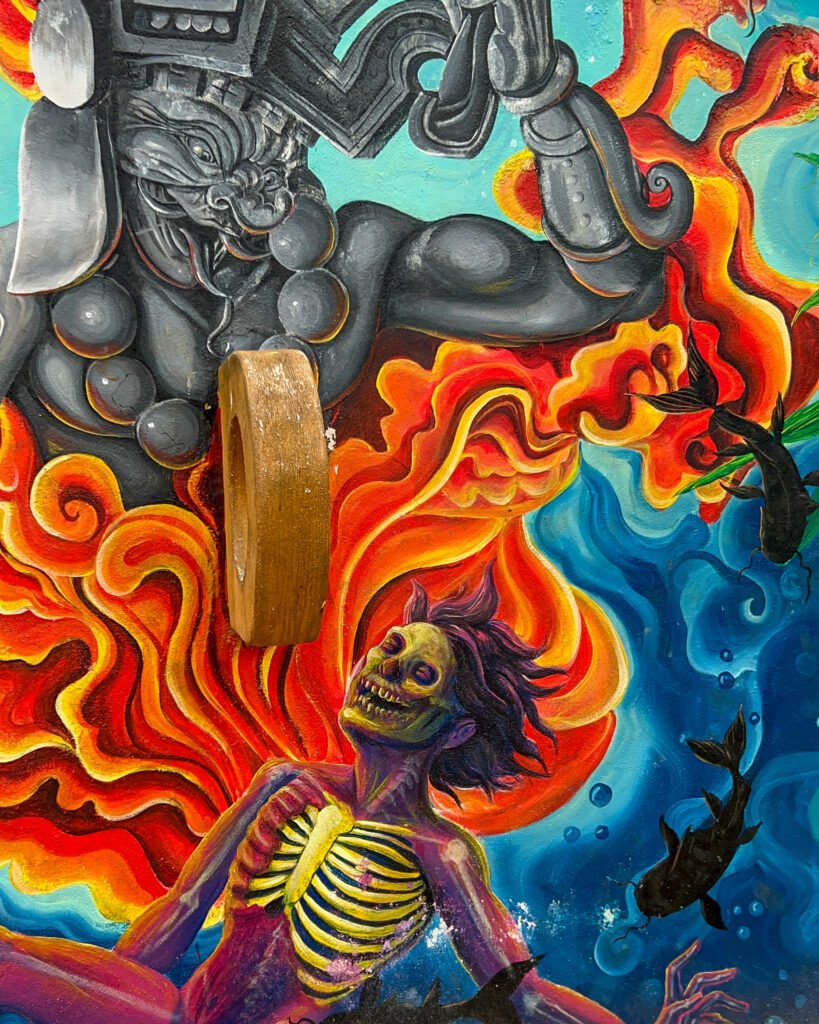
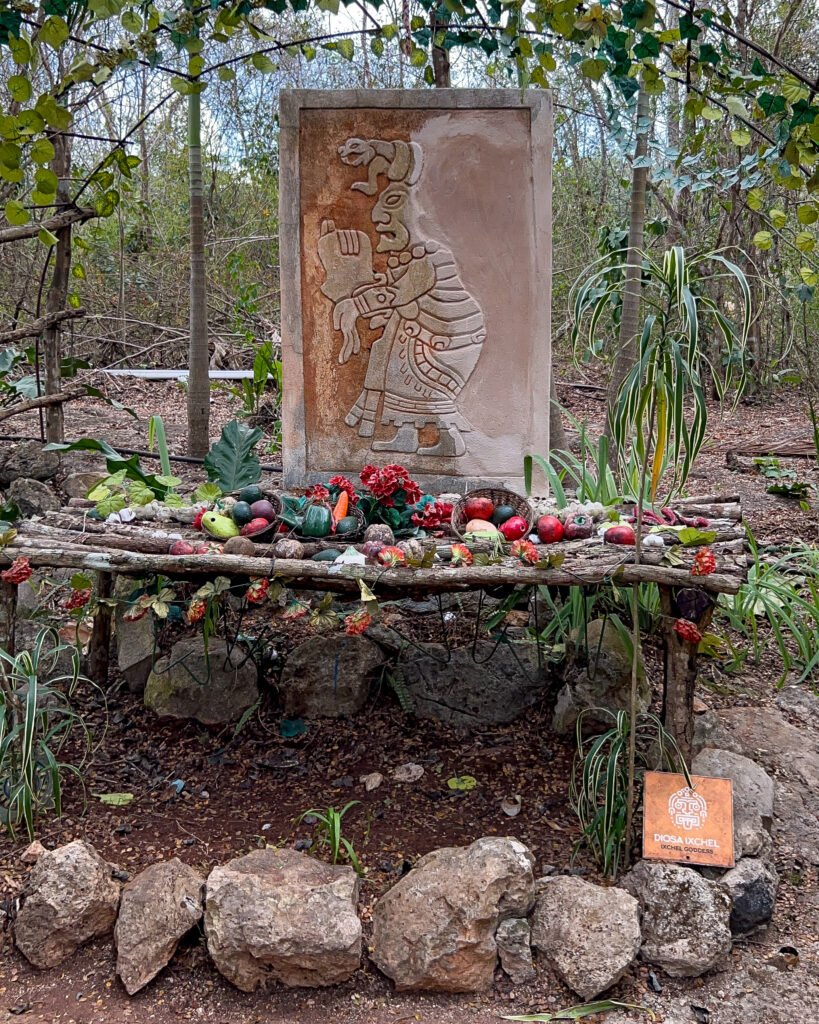
Beyond the cenotes themselves, the property offers more to explore. There are walking paths through the jungle, small cultural displays, and open areas where traditional Mayan elements are showcased, giving visitors a better sense of the region’s history. You’ll also find rest areas with hammocks and shaded seating, allowing you to slow down and enjoy the surroundings.
One of the highlights included with many packages is a tequila tasting experience, where you can sample different varieties and learn about their production. These additional touches make Cenote Chichikan feel more like a full cultural stop rather than just a swimming location.
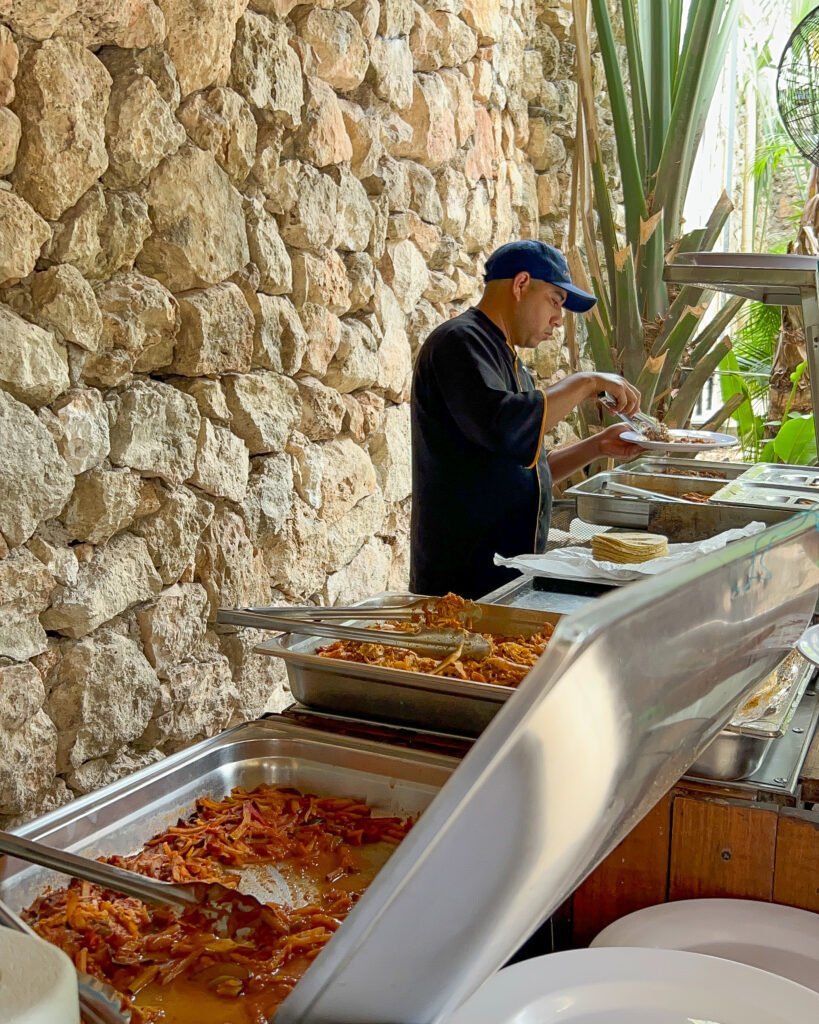
My personal recommendation
As someone who visited independently, I highly recommend choosing the cenote plus buffet package.
The difference in price is small, but it allows you to slow down and enjoy the experience properly. After swimming, having the option to stay, relax, and enjoy lunch on site makes the visit feel much more intentional and complete.
It transforms the experience from a quick swim into a memorable part of your day.
The buffet experience does not have to happen after swimming. In our case, we actually chose to eat first and visit the cenote afterward, which worked perfectly. It allowed us to relax, enjoy the meal, and then enter the cenote later in the afternoon when most of the organized tour groups had already left.
The dining area is set in an open-air palapa surrounded by jungle, and the atmosphere feels casual and unhurried. Visitors are free to move at their own pace, whether that means swimming first, eating later, or taking breaks in between.
This flexibility makes Cenote Chichikan feel less like a scheduled attraction and more like a place you can experience on your own time. For those driving from Playa del Carmen, it makes the longer trip feel much more relaxed and worthwhile, rather than rushed.
Final thoughts
If you are staying in Playa del Carmen, it can be tempting to stay close to the beach.
But some of the most memorable places in Mexico are not found along the coastline.
They are hidden inland.
Cenote Chichikan offers something completely different from the Riviera Maya – a chance to experience one of the natural freshwater cenotes that have shaped life in the Yucatán Peninsula for thousands of years.
The drive from Playa del Carmen is easy, the experience is accessible, and the reward is stepping into a place that still feels connected to its ancient origins.
Between the cool, clear water, the quiet atmosphere inside the cavern, and the opportunity to explore nearby Valladolid, visiting Cenote Chichikan becomes more than just a swim. It becomes a full day experience that adds depth to your time in Mexico.
If you are planning a trip to Playa del Carmen or the Riviera Maya and want to see one of the best cenotes near Valladolid, this is absolutely worth adding to your itinerary.
Not because it is the biggest.
But because it is one of the experiences that stays with you long after you leave.